Sub-theme four – Inclusion and Equity: Communication as a Right, Not a Resource
Key Topics: Communication for Equity: Creating space for underrepresented voices in policy and practice
Abstract Summary
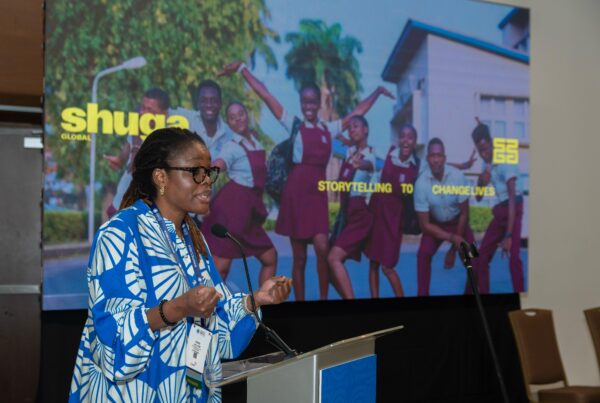
Shuga Global (formerly The MTV Staying Alive Foundation) develops content that support young people and adolescents across the world to make positive decisions about their health and wellbeing. We adopt inclusive approaches aimed at shifting individual behaviours and social norms, leveraging the power of immersive storytelling to transform health messaging into engaging “edutainment” campaigns.
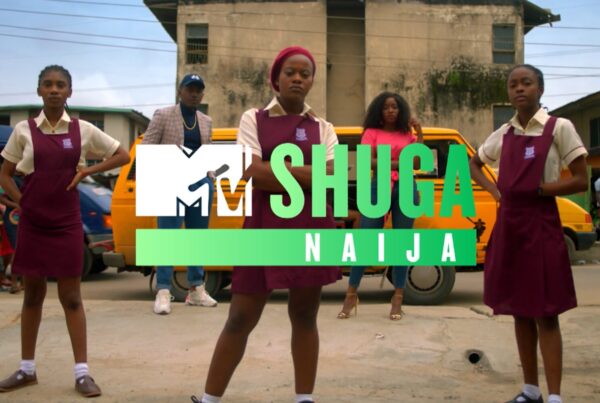
Shuga Global is best-known for the multi-award-winning MTV-Shuga drama series in sub-Saharan Africa, which has reached millions of young people globally. We also create and distribute regional campaigns in other parts of Africa (Nigeria, Kenya, Cote d’Ivoire), and the MTV-Nishedh campaign in India.
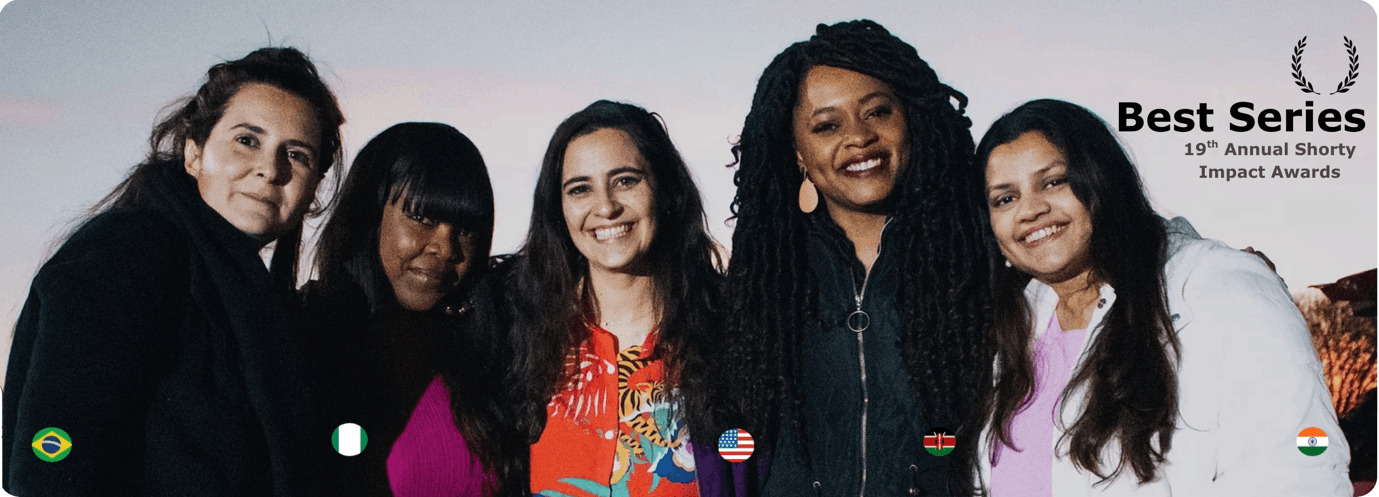
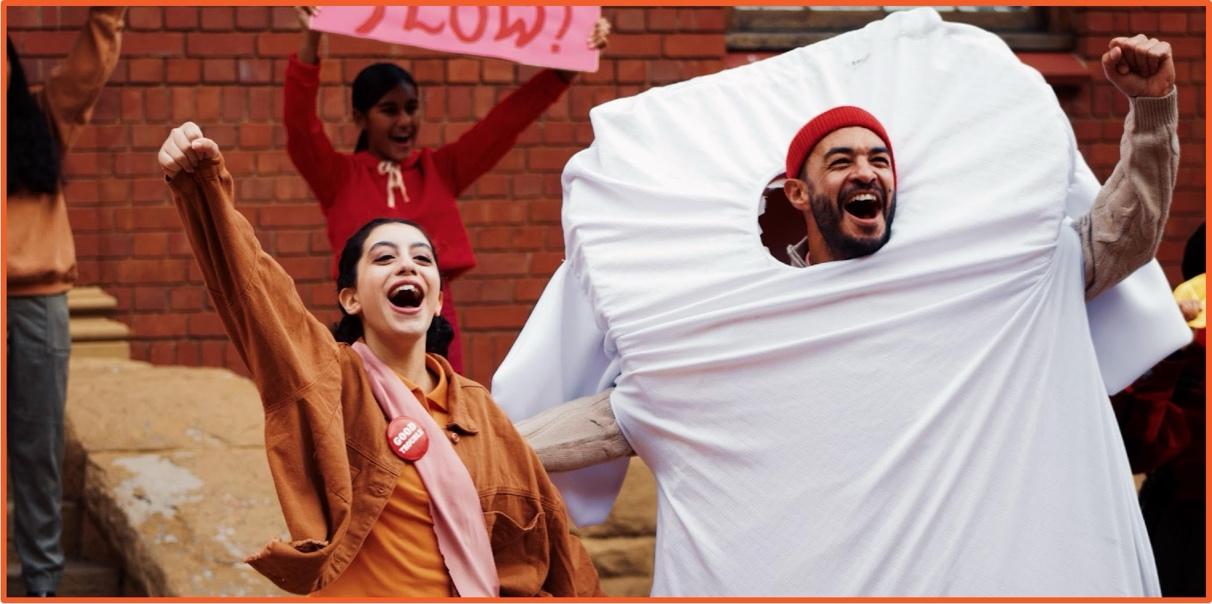
Our key aims also involve shifting the media landscape to be more gender inclusive, across the diverse contexts in which we work. This presentation will explore one of Shuga Global’s recent initiative: the Shuga Shorts (formerly In Bloom) campaign, which works with emerging and experienced female filmmakers from underrepresented communities to create a series of short films that examine gender inequity issues, enhance the authenticity and power of our multimedia campaigns, while disrupting industry norms and creating equitable opportunities. Shuga Shorts has produced short films set in Nigeria, Kenya, USA, India and South Africa covering themes around child marriage, period poverty, gender-based violence, HIV, women’s economic empowerment, reproductive health access and justice. We will present findings and explore potential implications for the field, particularly how the media and edutainment can be relevant to broad audiences, including SBCC practitioners, to explore comparable approaches and support shifts across diverse populations.
Background/Objectives
Shuga Global is a world-leader in behaviour change communications, using the power of storytelling to connect with expansive youth audiences, make challenging subjects relatable, and shifting the knowledge, attitudes, feelings, and norms that underpin behaviour change.
Making our stories authentic and relatable is central to our theory of change and involving young people, including those from populations that are often marginalised from media production, is critical to our success. Shuga Global productions are created through meaningful involvement with young people and local populations, including through formative research and by working with local production companies.
We launched the Shuga Shorts initiative to deepen inclusivity to 1) further enhance authenticity and impact; and 2) challenge industry norms that silence some voices. The pilot Shuga Shorts initiative was set up to develop and produce five short films with five writer/directors from five countries to address key gender inequality themes. Each writer/director was responsible for one of the short films. Both the format and approach were new for Shuga Global.
Intervention/Methods
The Shuga Shorts campaign engaged female writer/directors from underrepresented communities in mainstream media production, including voices from Africa, Asia, the Americas, as well as LGBTQI, Black, Hispanic and Indigenous persons. The initiative aims to shift the portrayal of stories that address under-represented voices, from story development to production and beyond. Drawing on these perspectives, a series of short films were produced to highlight the unique voices and perspectives of these populations across the global gender equity divide. We conducted process and outcome evaluations on the process with writer/directors and with audiences through screenings and one-year follow-up to assess both perspectives.
Results/Lessons Learned
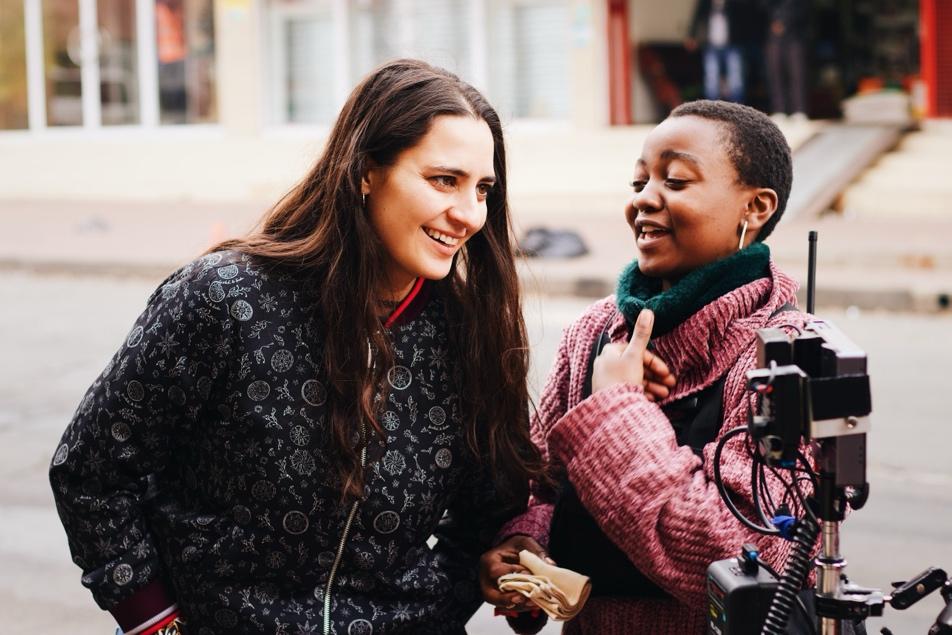
Process evaluation with writer/directors indicated the tensions arising from balancing the creative process and ownership with writer/directors and the project management’s needs for storylines that align with the programme aims. Additionally, managing the process virtually made it more challenging to develop trust and rapport which contributed to the resulting experience on all sides.
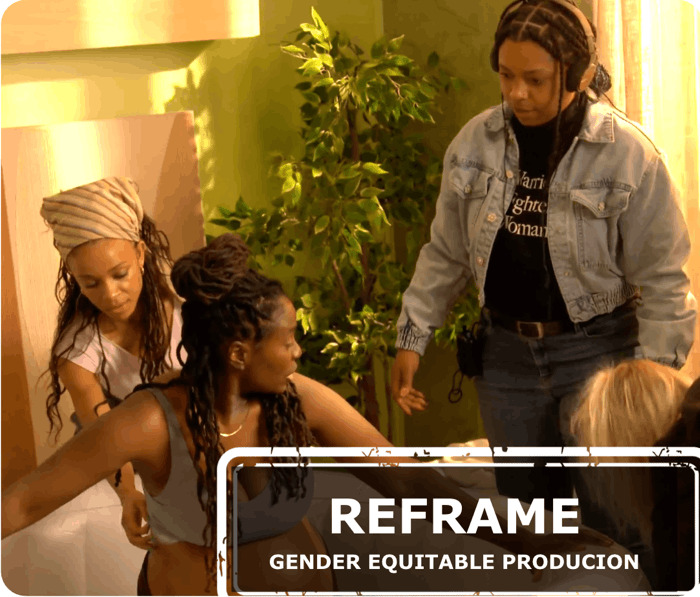
Drawing on these learnings, the next iteration of Shuga Shorts focused on reproductive justice in the United States, working with Indigenous and Black filmmakers. The crew was diverse, including over 60% females and those from underrepresented communities.
Feedback from viewers found the films relatable although there was a clear preference for clear central messages. Additionally, one year post viewing, viewers reported becoming more empathetic, acting as advocates and generating a protective attitude and commitment across the key themes.
Shuga Shorts received the ReFrame stamp for gender-balanced production and the anthology won a Shorty Impact Award.
Discussion/Implications for the Field
We describe the recent Shuga Shorts initiative as part of the wider Shuga Global strategies for inclusive content creation that aim to highlight under-represented voices and stories. Reflecting on the new approach of Shuga Shorts and how the experiences of the wider team differed from other Shuga Global projects, we propose ways to adjust the programme that would meet both programme and creatives’ priorities. Viewer feedback was broadly consistent across diverse settings which supported the need to have clear messages and storylines with little ambiguity in short film format.
The Shuga Shorts initiative has broader implications for the wider SBCC sector, particularly on content creation and engagement with diverse populations to address gaps in current SBCC work. Findings, particularly among viewers one-year post exposure, noted improvements in empathetic attitudes and actions that support individuals experiencing the issues raised in the films. Our experiences may motivate comparable approaches and enhance the work of other practitioners in the field. Critically, in stimulating replicable approaches, we hope that the SBCC sector might help to make broader changes in the media production industry. In short, by sharing our experiences, we can contribute towards raising unheard voices, increasing local production capacity, and ultimately creating more socially-inclusive media.