Two weeks ago, Shuga Global joined thousands of researchers, advocates, programmers and people living with HIV in Rio de Janeiro for the 26th International AIDS Conference.
Across five sessions, one idea kept coming back to us: ending HIV is not only about the science we have, but about who that science reaches, how it reaches them, and who gets to shape what happens next.
Here are some of the moments we’re taking with us.
Beyond Medicine
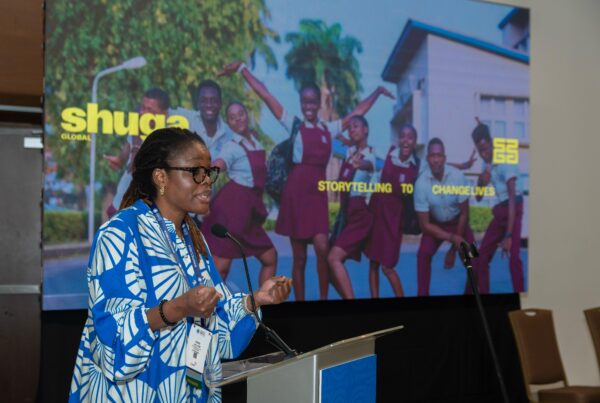
Our Executive Director, Wame Jallow, took the plenary stage to speak about the role of storytelling in making science accessible, trusted and actionable.
Drawing on Shuga’s work across Africa, Wame made the case for storytelling as a tool for social change, one that can help young people access information, question norms and make informed decisions about their lives.
When Stories Create Space for Choice
At the Women’s Health Satellite session, our partnership with VIYA Health demonstrated what can happen when health programming and storytelling come together.
A 10-second clip from Shuga Mashariki Season 2, featuring Asha and Loch discussing long-term contraception, was used in a contraceptive campaign that saw demand double in the post-campaign period.
Juliebrenda, who plays Asha, shared how young women reached out to her in person and through social media, saying the storyline gave them confidence to make choices for themselves.
It was a powerful reminder that when people see their choices reflected in stories they recognise, information can become something they act on.
Listening to Young Leaders
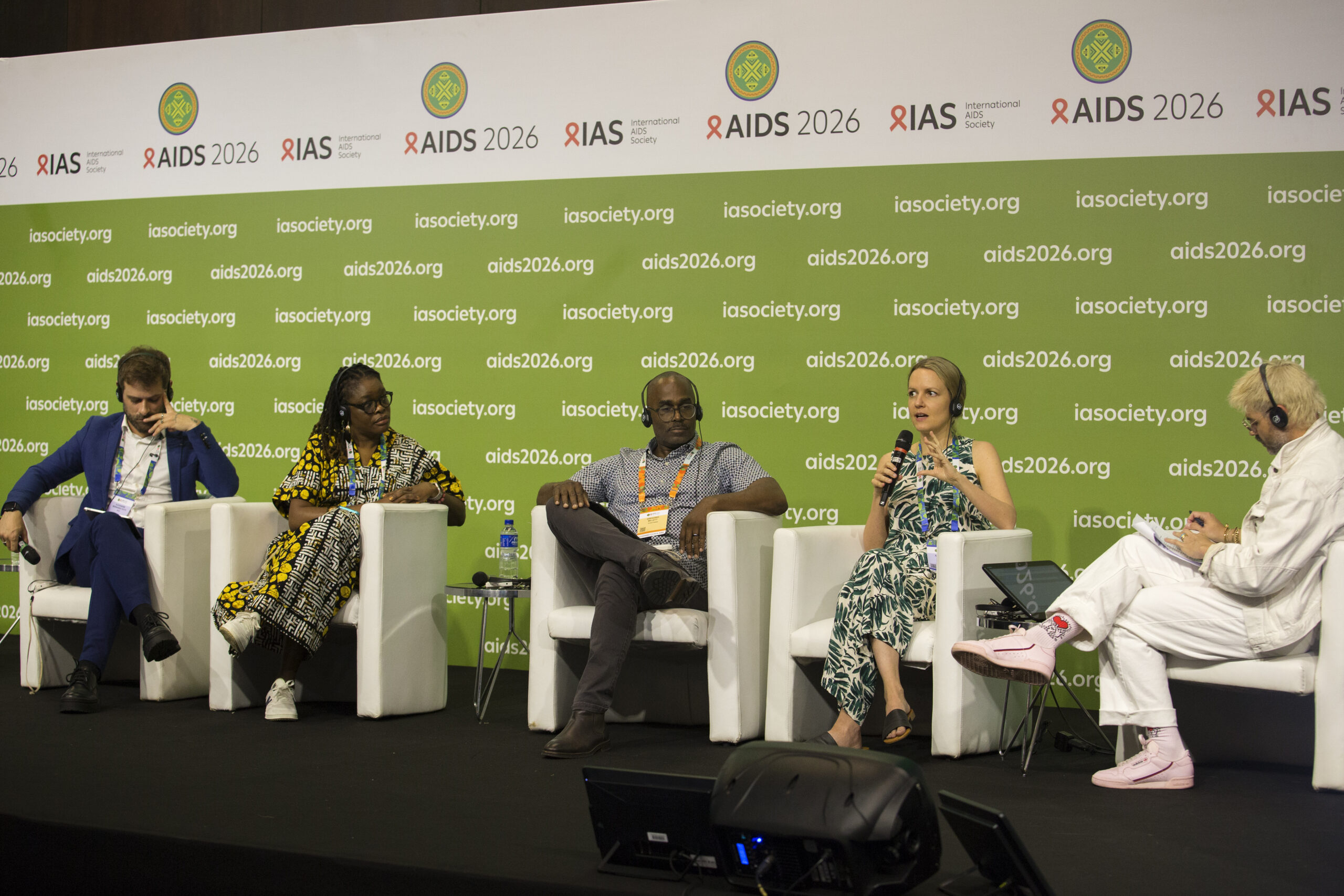
At the Youth Hub, Jeff Wamwaki and Juliebrenda joined Wame for a roundtable with youth leaders from around the world.
The conversation explored Shuga’s experience designing, deploying and measuring media for social impact, from digital partnerships and monitoring and evaluation to adapting stories across platforms.
Just as importantly, we listened to the challenges and ideas shaping the next generation of HIV leaders.
Bringing Shuga Mashariki to the Global Village
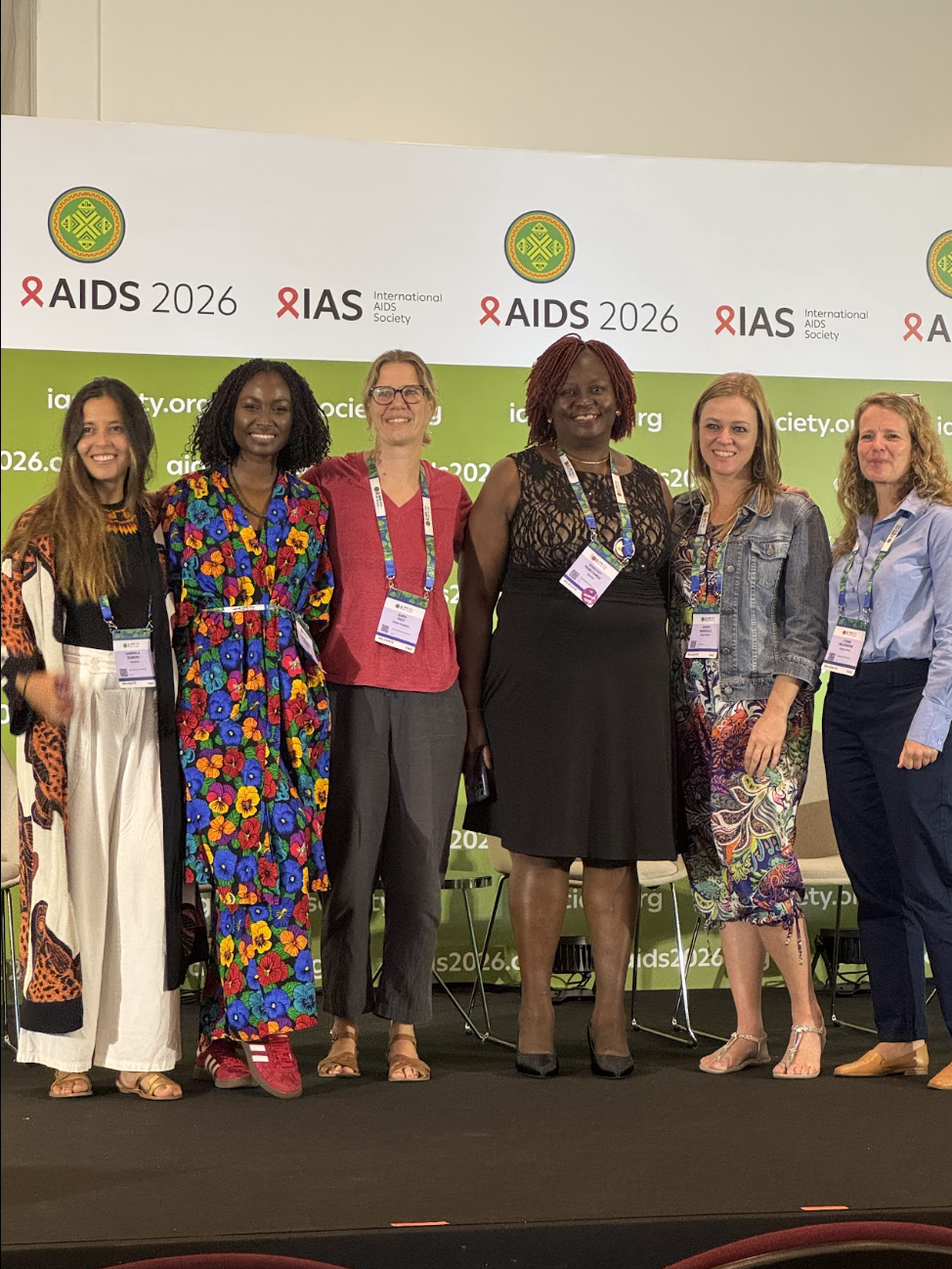
We screened Shuga Mashariki at the Global Village, followed by a panel on storytelling and social change.
The audience’s questions went beyond the story itself: How do you take media into communities? How do partnerships with community-based organisations work? And how do you turn a story into impact beyond the screen?
These are questions at the heart of Shuga’s work.
Continuing the Conversation
Wame, Juliebrenda and Jerop Limo also joined the Shot in the Arm podcast to discuss the impact of Shuga Mashariki in Kenya.
From Juliebrenda’s experience playing Asha to Wame’s perspective on Shuga’s wider programmatic impact and Jerop’s reflections on the role of media in the HIV response, the conversation explored why storytelling continues to matter.
The episode’s premiere date will be announced soon.
What We’re Taking With Us
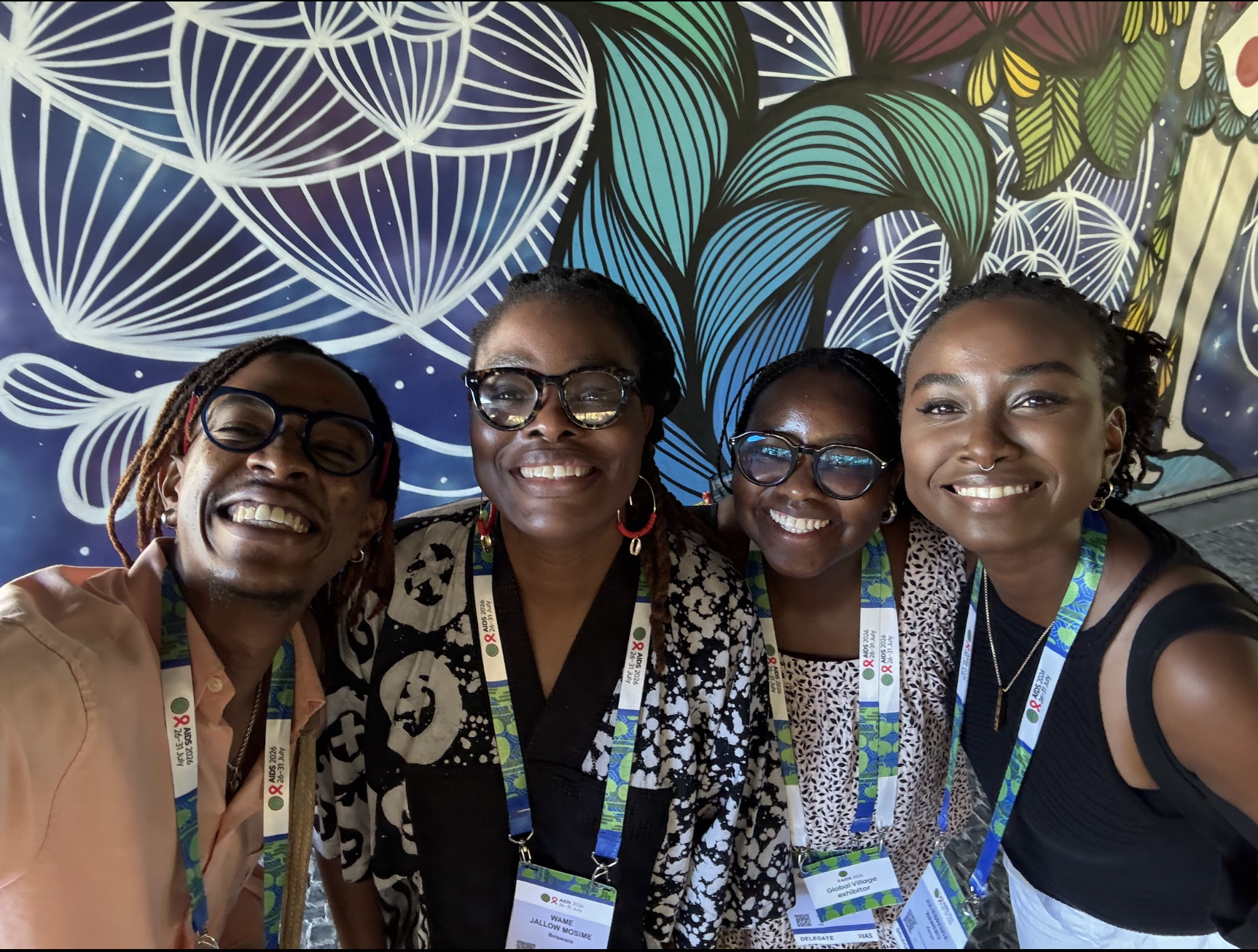
Across every session, one question kept surfacing:
Who holds the power to make science real in someone’s life?
At AIDS 2026, we were reminded of the power of knowledge, the power of choice, and the importance of putting young people at the centre of the solutions shaping their future.
For Shuga Global, Rethink, Rebuild, Rise is an invitation to keep questioning how we communicate, who we create for and who gets a seat at the table.
Because the HIV response needs more than new science.
It needs stories that help people see themselves in that science and the agency to act on it.