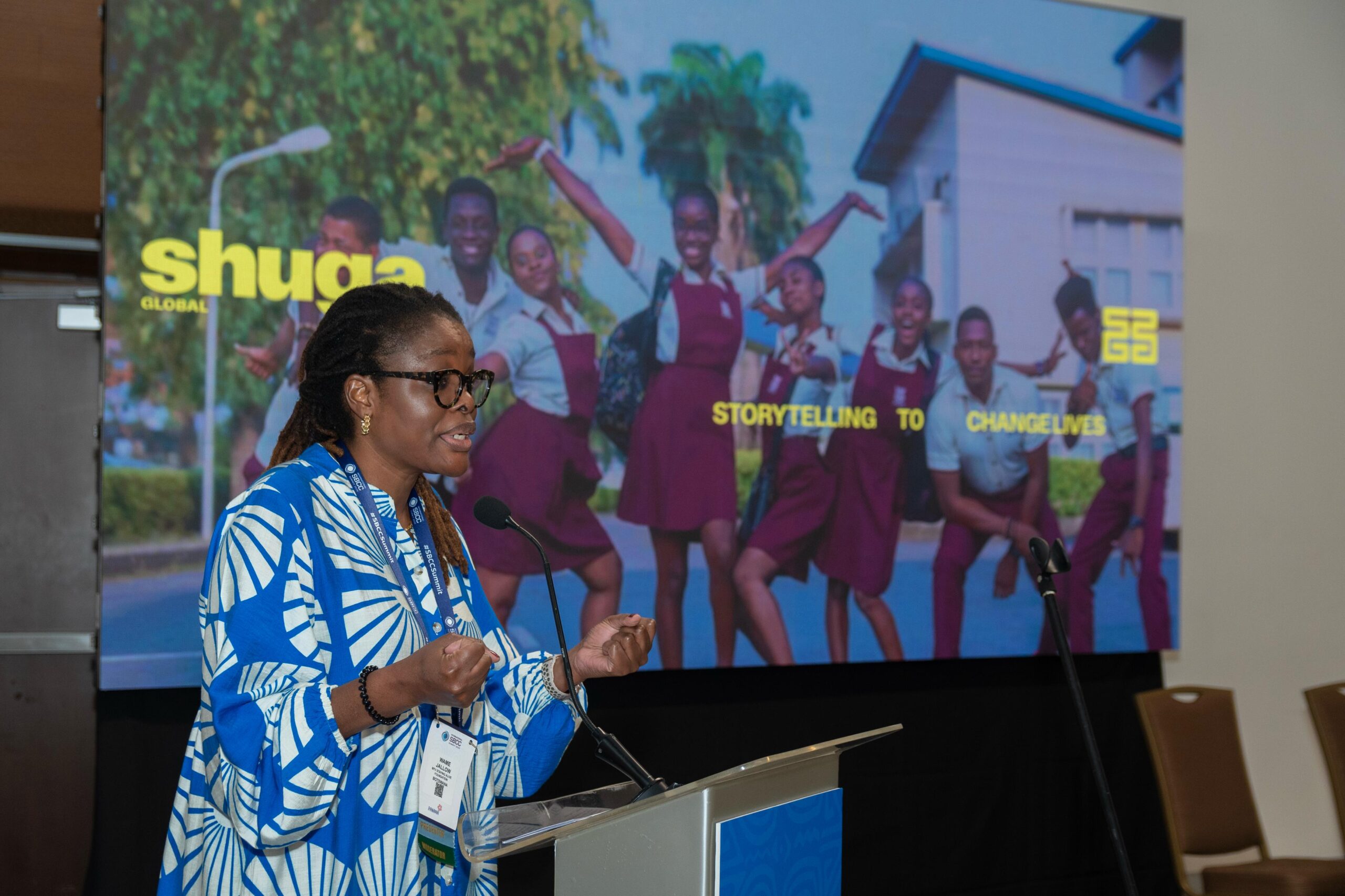
As the International Social and Behavior Change Communication (SBCC) Summit 2026, comes to a close, one thing feels clearer than ever: our sector is changing.
Across sessions, people returned to the same question, how do we continue creating meaningful social change in a world where audiences, platforms, and technologies are evolving faster than ever?
At Shuga Global, change is something we’ve always embraced. Our recent rebrand marks the beginning of a new chapter, but our approach has remained remarkably consistent over the last 25 years: listen first, learn constantly, and let audiences lead the way.
That belief is something we’re continuing to put into practice. Alongside the Summit, we were proud to showcase our collaboration with Shujaaz through Surround Sound Kenya, an example of how bringing together complementary strengths can help us reach new audiences and create greater impact. Partnerships like these remind us that social and behavior change is strengthened when organisations work together rather than in silos.
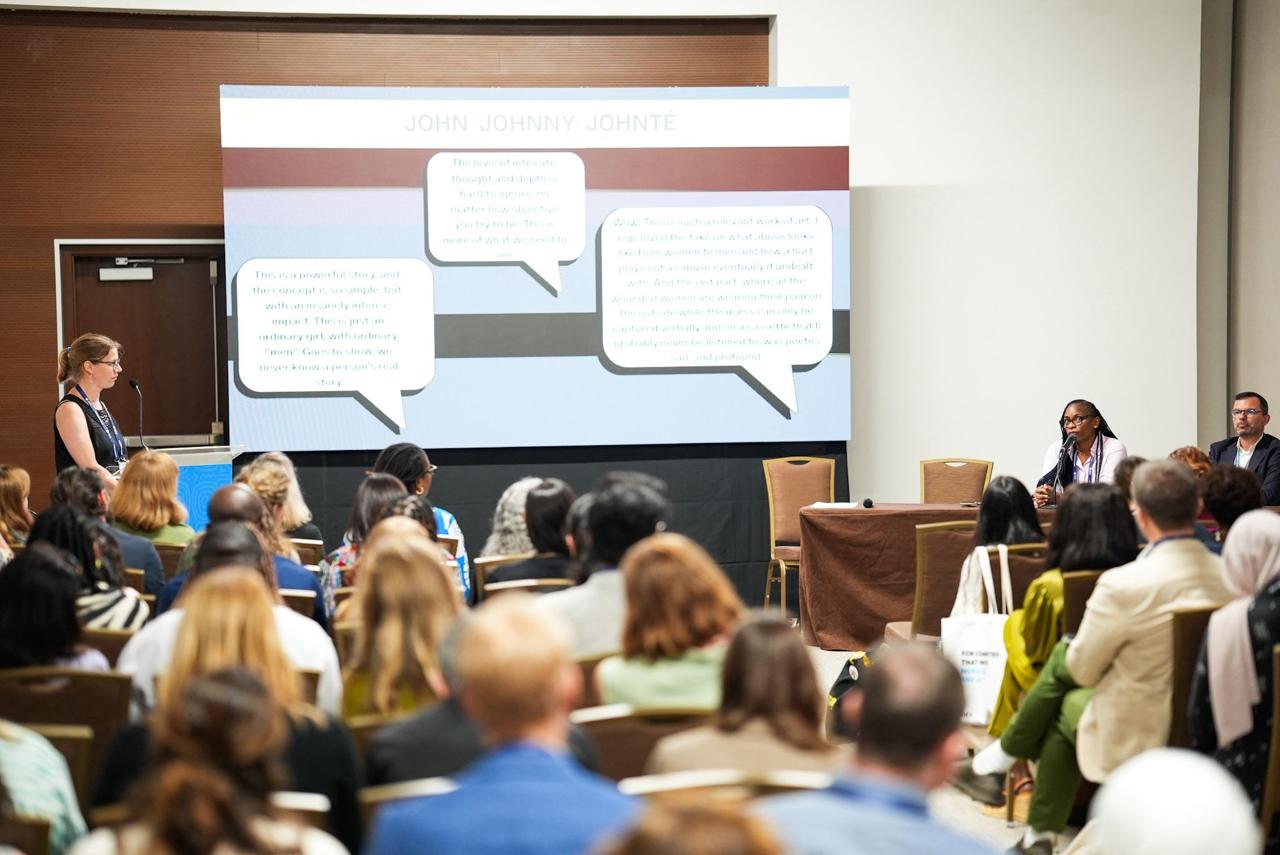
One of the conversations we were proud to host during the Summit explored a question that sits at the heart of our work: what makes a story stay with someone long after the credits roll?
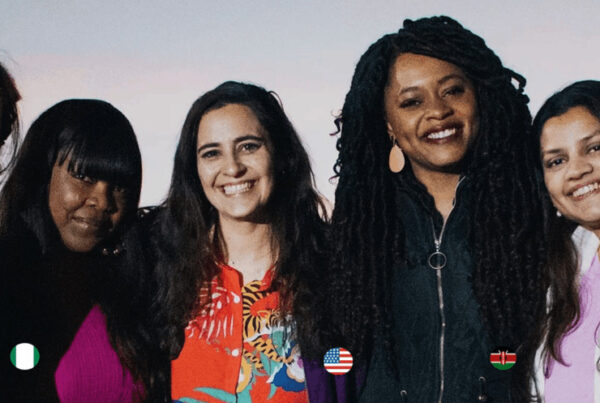
We were grateful to share the conversation with an incredible group of leaders working across research, entertainment, global health, and social and behavior change. Joining us were Johanna Blakley (The Norman Lear Center), Debora Freitas López (Johns Hopkins Center for Communication Programs), Lisa Jamu (Stepping Stones International), Aissatou Bah (Gates Foundation), Amy Riley (Population Media Center), Massimiliano Sani (UNICEF), and Oluwaseyi Ishola (DIME, World Bank Group). While each brought a different perspective, the conversation converged on a shared belief: lasting change begins with stories that are deeply human, emotionally honest, and grounded in the realities of the people they seek to reach.
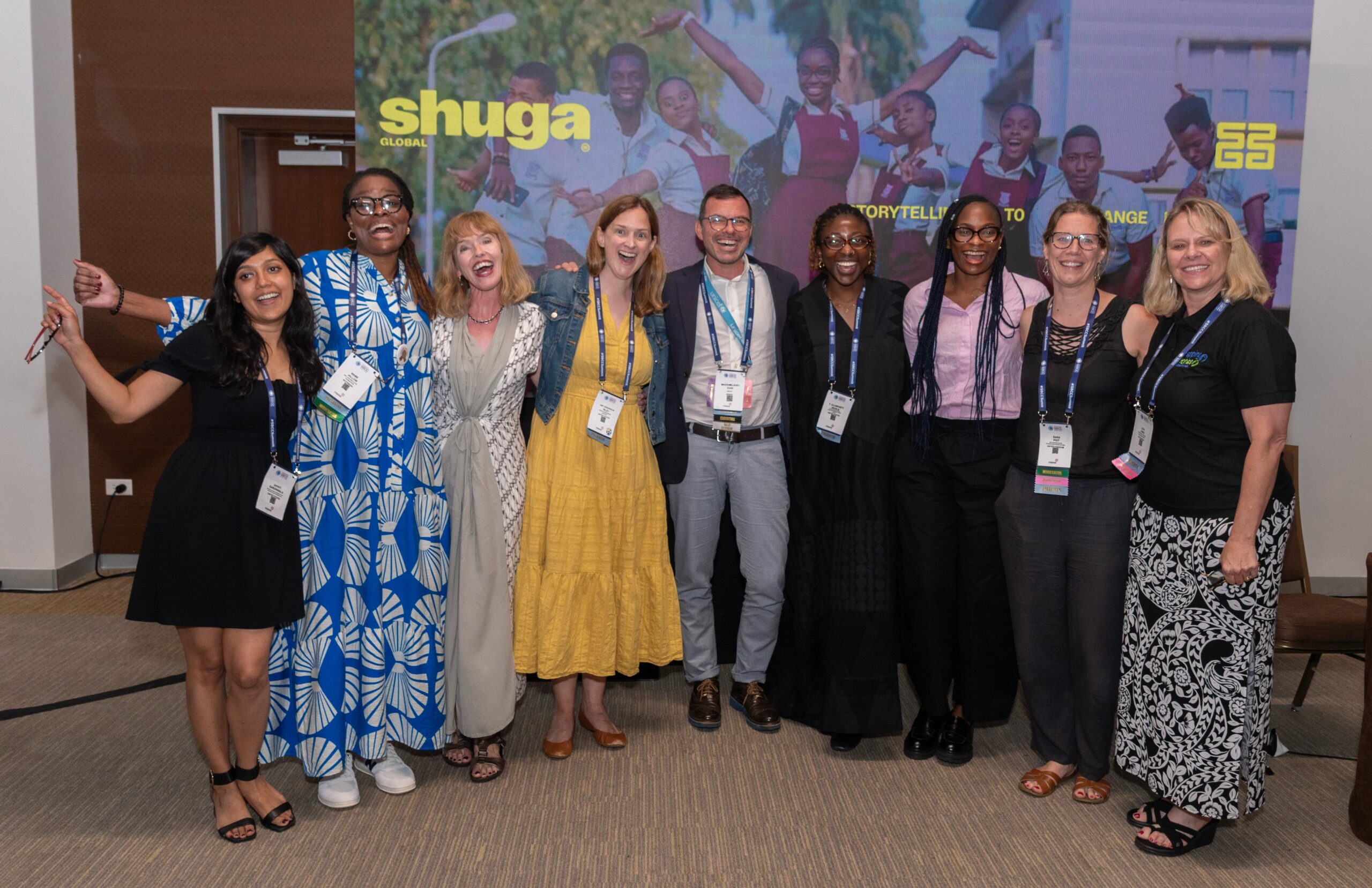
What emerged wasn’t a discussion about content formats or algorithms. It was a reminder that audiences don’t connect with perfectly crafted messages, they connect with humanity.
Again and again, we heard that empathy matters more than authority. Stories become powerful when they reflect people’s lived realities, acknowledge complexity, and make audiences feel seen rather than spoken to. Representation isn’t simply about being relatable; it’s about creating the feeling that this story understands me.
The discussion also challenged us to think differently about how we talk about impact. As a sector, we’re becoming better at measuring reach, but influence is far harder to quantify. Sometimes the most meaningful outcomes appear first in comments, conversations, or small shifts in perspective before they ever show up in a dashboard. Those moments deserve our attention just as much as the headline metrics.
Another important reflection was how we frame the value of social and behavior change itself. Rather than treating communication as a standalone intervention, there was a strong call to position SBCC as a public good. One that creates the conditions for healthier
communities, stronger systems, and lasting change. Telling that story well will be essential if we want to secure greater investment in this work.
As we left the Summit, we found ourselves thinking less about the latest trends and more about the constants that continue to shape our work.
Audiences still want honesty. They still want stories that respect their intelligence. And they still want to see themselves reflected on screen.
The tools we use will continue to evolve. The platforms will change. The conversations will shift.
But if the past 25 years have taught us anything, it’s that meaningful change begins with stories that make people feel seen, and stays with them long after the story ends.
The challenges ahead are too big for any one organisation to solve alone. If you share our belief in the power of storytelling, we’d love to collaborate.